




 (My camera ran out of memory so these are all iPhone photos // Mi camara no tuvo más memoria, entonces saqué estas fotos con mi móvil)
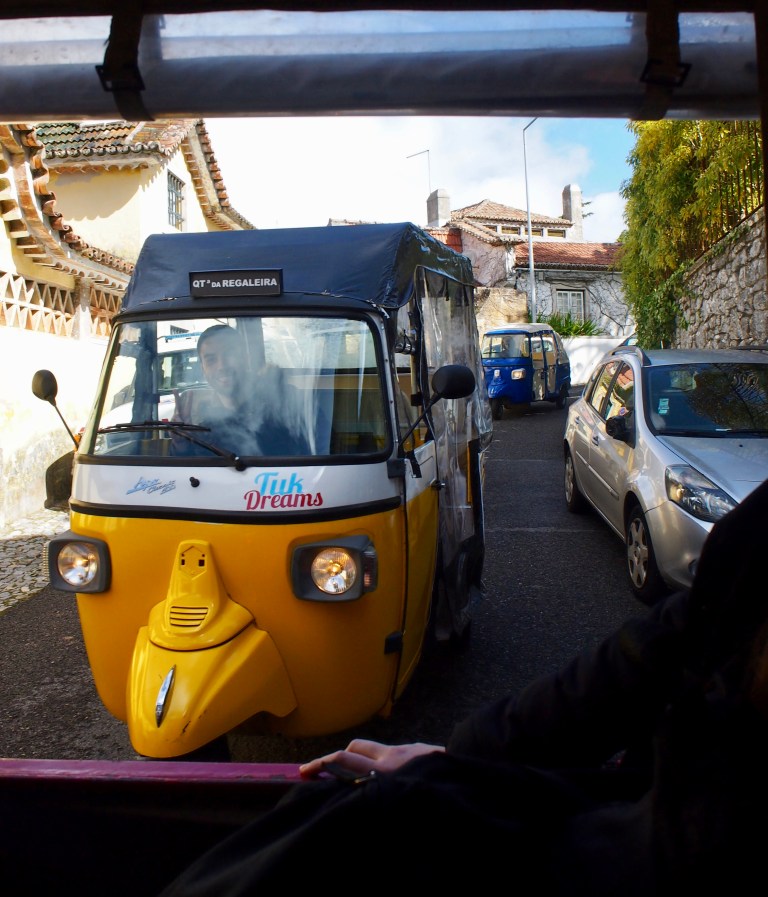
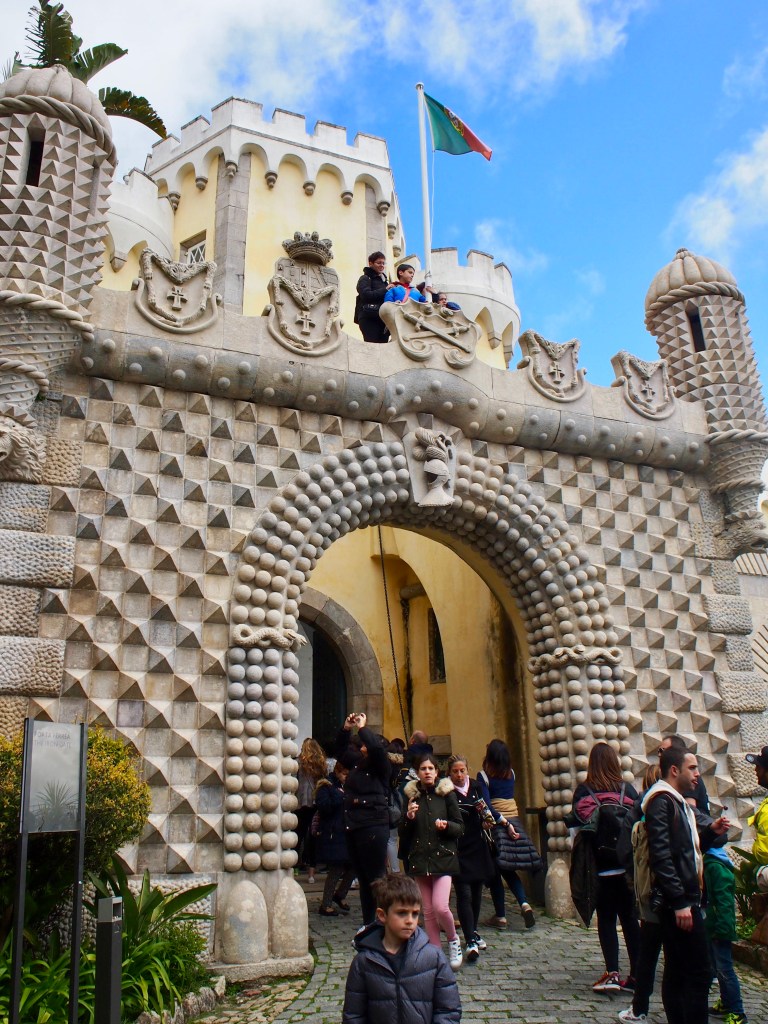
On our second day in Lisbon a small group of us went on a day trip to Sintra, 40 minutes west of central Lisbon. Arriving by bus to the main section of the town, we were ushered into tuk-tuks to head up the incredibly steep, winding streets to the Park and Palace of Pena. Listed as a UNESCO World Heritage site, El Palácio Nacional da Pena was built on this great hill between 1842 and 1854 by Don Fernando II, his then wife Dona Maria II and later his second wife The Countess of Edla. Portuguese monarchs lived here right up until the Revolution of 1910.
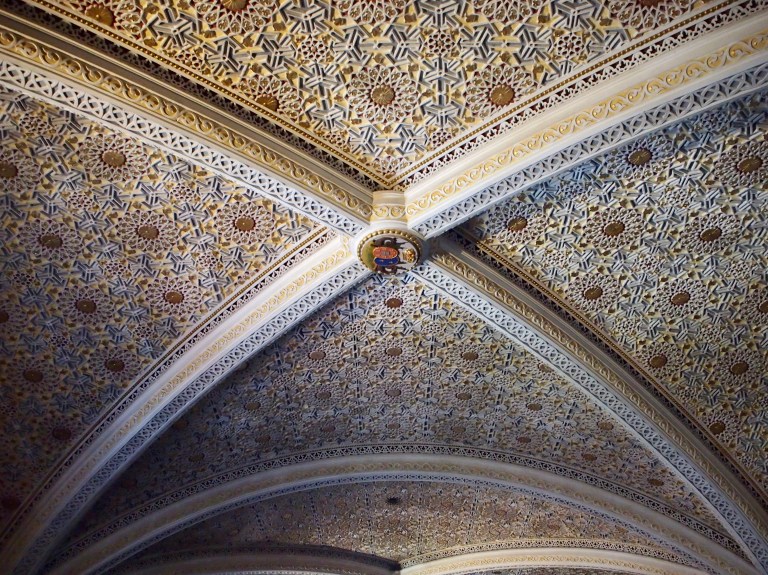
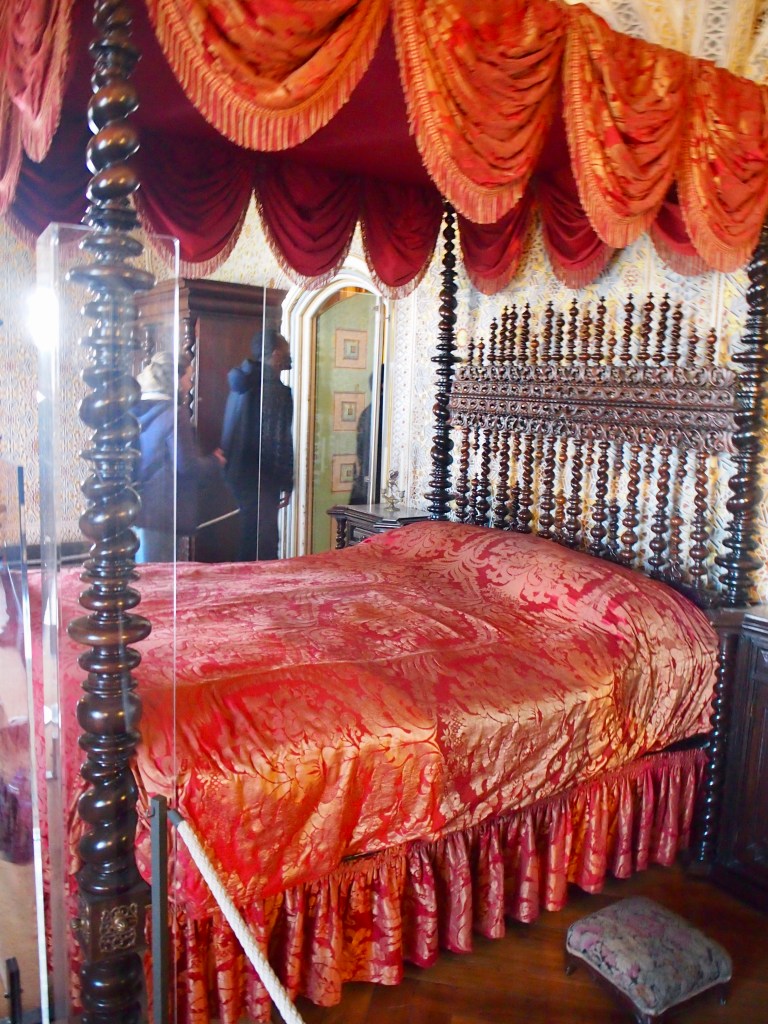
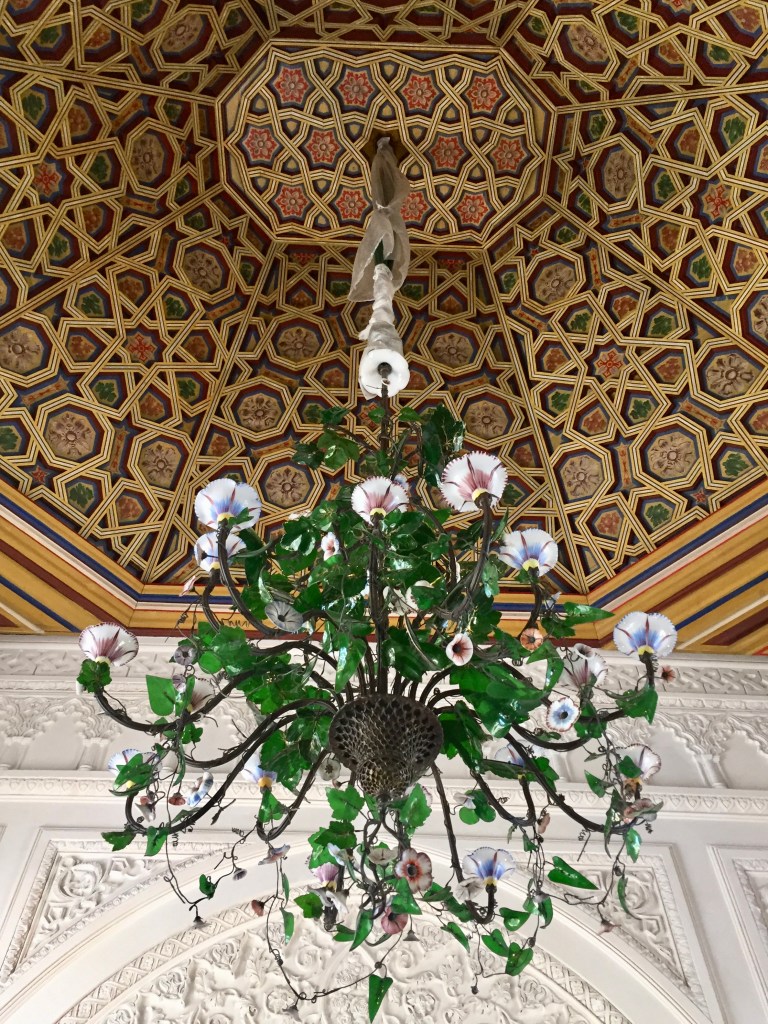
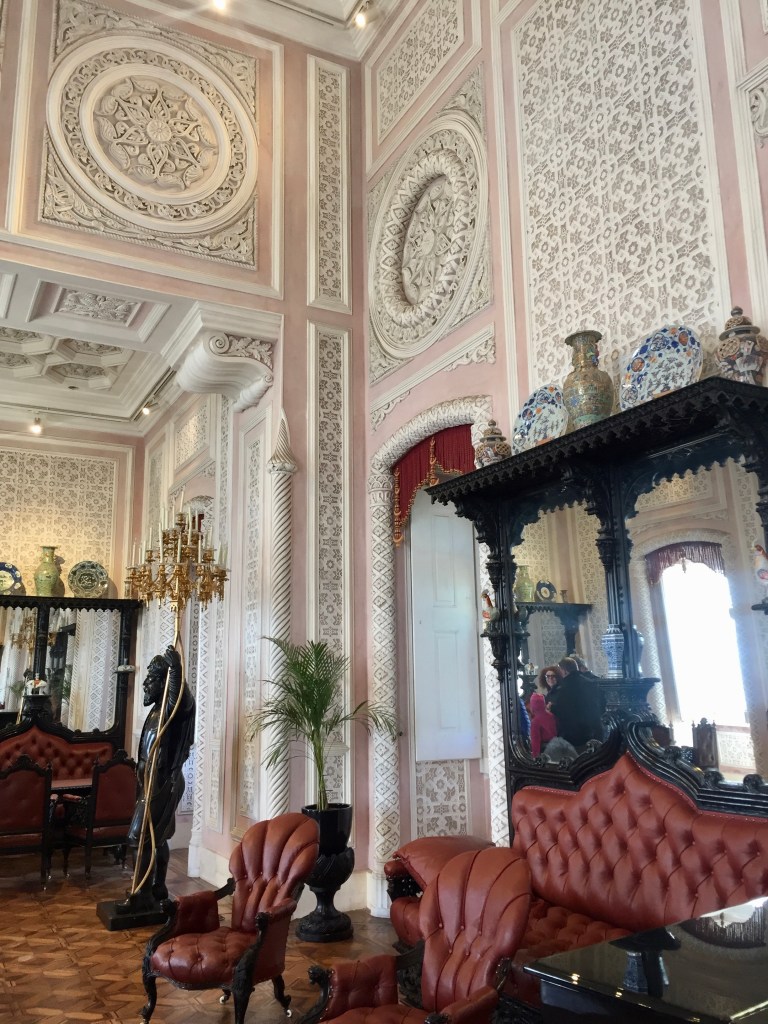
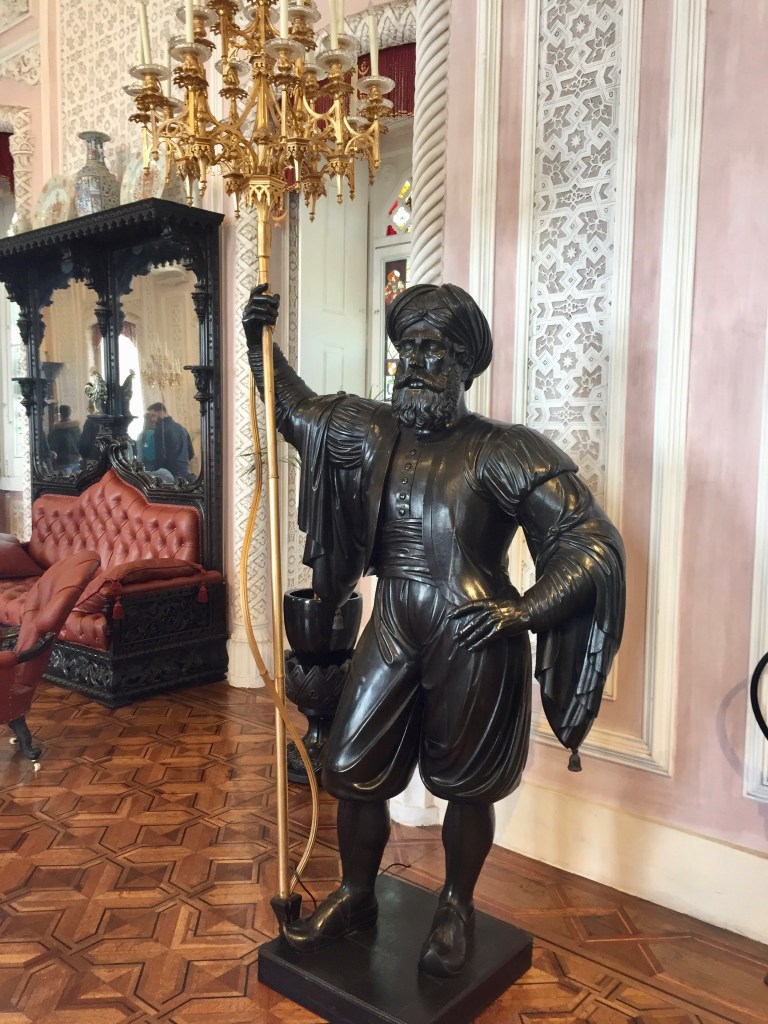
The exterior of the palace is beyond beautiful. All the detailing on the facade of the building is incredible and the bright colours make the palace so unstuffy, yet still so regal. I would choose to live here over Windsor Castle any day. The rooms of the castle remain largely how they were whilst in use and are centered around the Manueline Cloisters. (Traditional Portuguese architecture for the time).
The palace is also surrounded by, apparently, very beautiful and romantic gardens. We didn’t get the chance to explore them as it decided to chuck it down with rain.
// Durante mi segundo día en Lisbon, un grupo pequeño fue a Sintra, 40 minutes al oeste del centro de Lisbon. Llegamos en autobús, y tomamos tuk-tuks para ir al Palacio de Pena. En 1995 llegó a ser un sitio de la lista de Patrimonio de la Humanidad. Fue construido por Don Fernando II, su primer mujer Dona Maria II y después su segunda esposa, la Condesa de Edla. Los reyes portugueses vivían aquí hasta la Revolución de 1910.
El exterior del Palacio es hermoso. Todo el detalle en la fachada es increíble y los colores vivos hacen que el palacio no sea aburrido. De verdad, preferiría vivir aquí en lugar de Windsor Castle. Los habitaciones se rodean del claustro del estilo Manuelino.
El Palacio esta rodeado por jardines bonitos, pero no tuvimos la oportunidad de verlos porque llovió intensamente.
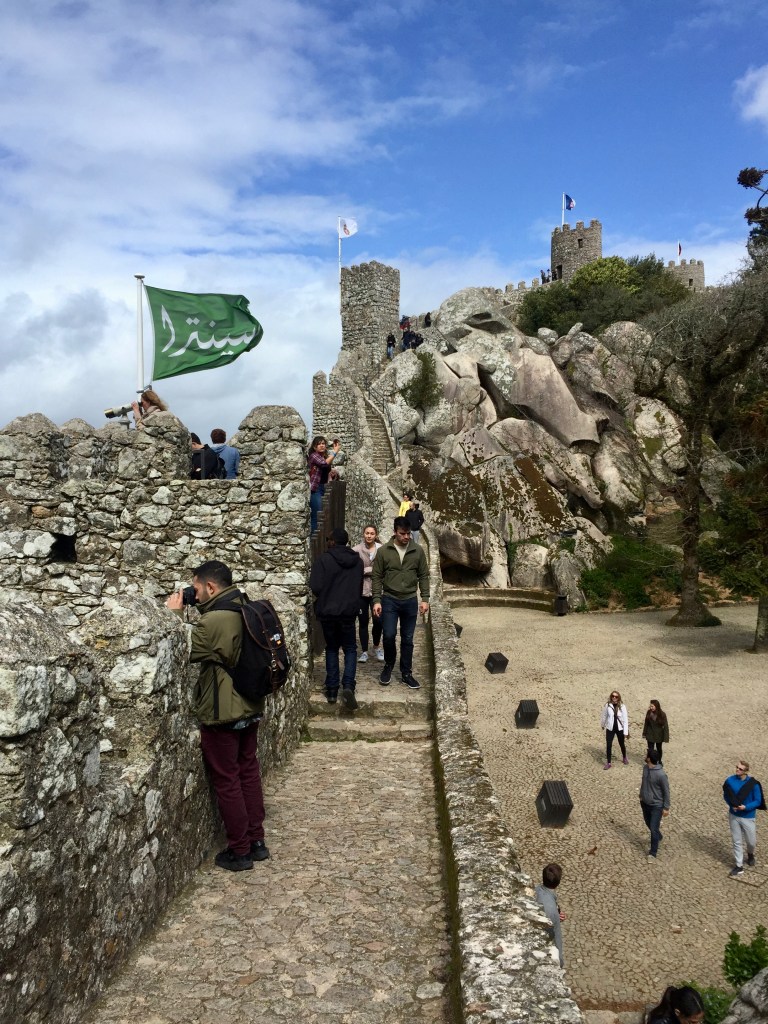

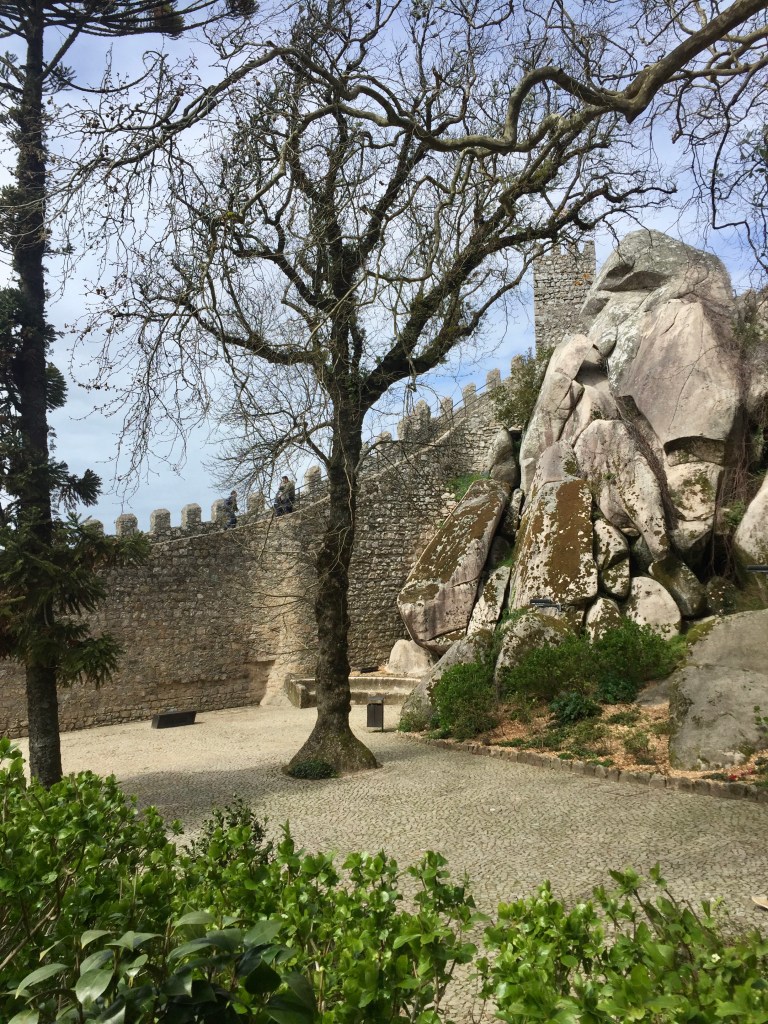

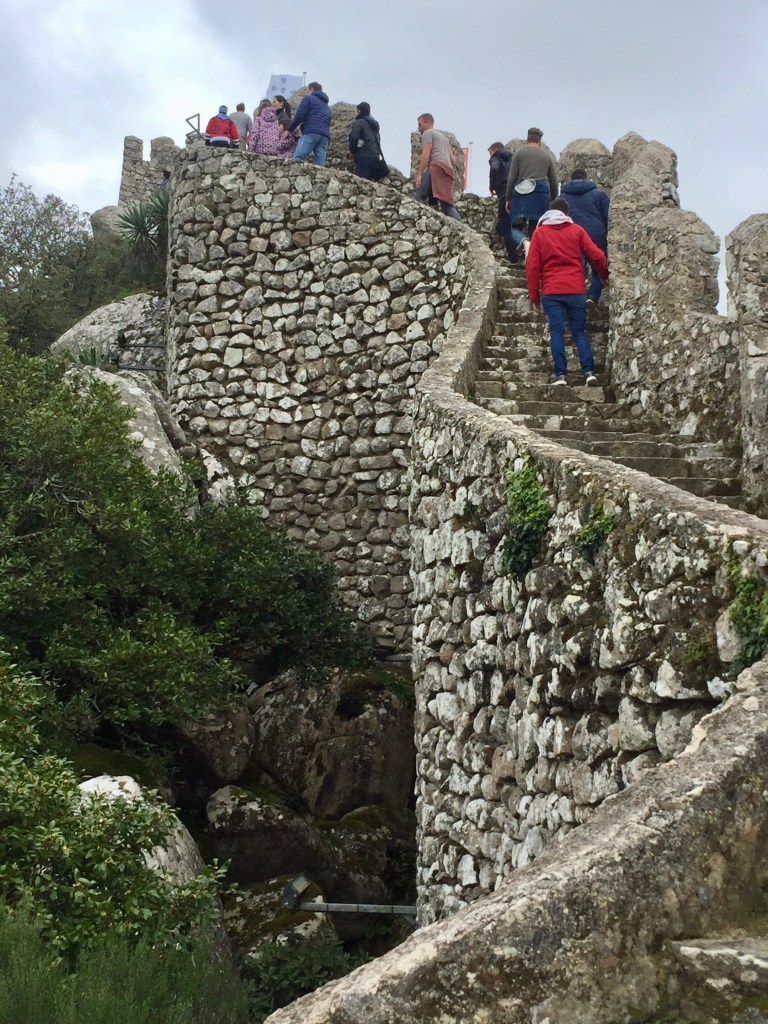


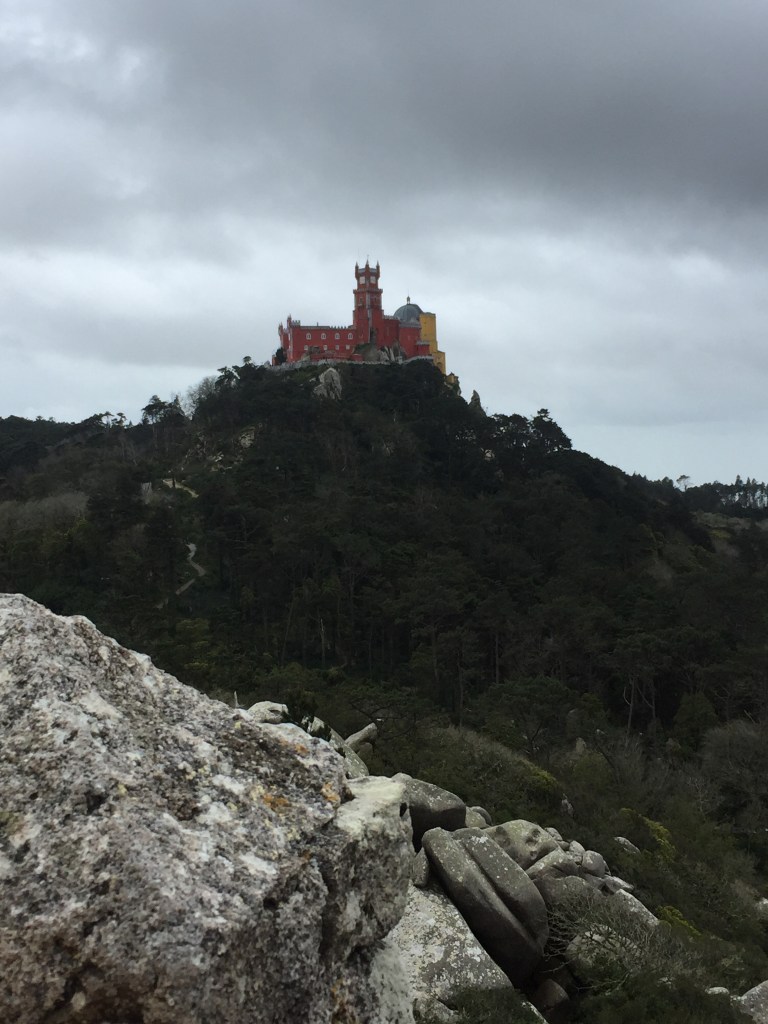
The rain managed to hold off just enough for us to walk down to the Castle of the Moors. Built during the 8th and 9th centuries when the Moors occupied much of the Iberian Peninsular, the ruins of the castle which acted as a defence base and lookout still remain.
After having clambered up what felt like 37 million steep stairs, we were greeted by a beautiful view overlooking Sintra… Right before it started pissing it down once again. We quickly scurried back to the entrance and took shelter in the cistern. We were supposed to visit Cascais afterwards, but everyone was tired and frustrated by the weather, so we jumped on the bus and headed back to the hostel.
I would recommend a day trip to Sintra, especially the Palace da Pena. Try and pick a good day to go in order to be able to enjoy the gardens and everything it has to offer. I didn’t really know much about the history of Portugal but these castles really do spark interest and curiosity.
// La lluvia paró suficientemente para andar al Castelo dos Mouros. Construido en los siglos VIII y IX, durante la ocupación de la Peninsular Iberia por los Moros, el castillo se comportó como una fortaleza defensiva y puente de vigilancia. Ahora, las ruinas permanecen.
Hay vistas bonitas desde los torres, pero ten cuidado, porque hay un montón de escaleras inclinadas. No pasamos mucho tiempo aquí porque la lluvia arruinó nuestra diversión. Tuvimos la intención de visitar a Cascais después, pero el tiempo significó que no podíamos.
Aconsejaría una visita a Sintra para un día, especialmente El Palacio de la Pena. Elige un buen día, (con tiempo agradable), para que puede aprovechar de todo.
 Dear Disha