It was yet another 5am start to say goodbye to Belize and head onto our 3rd and final country: Guatemala.
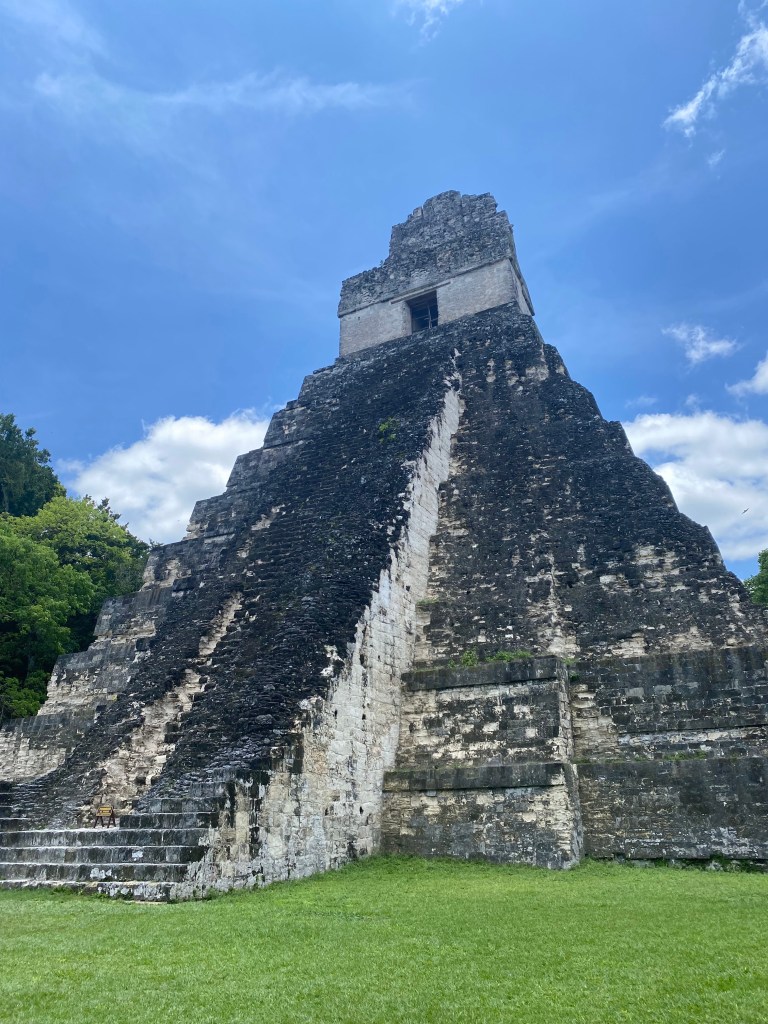


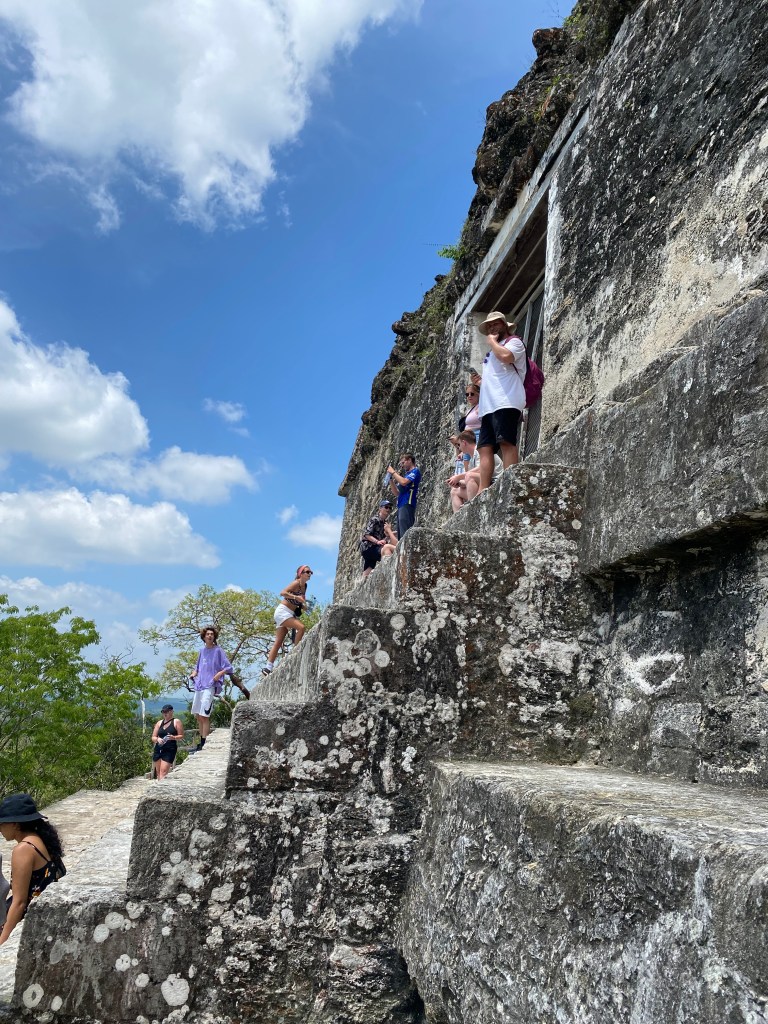
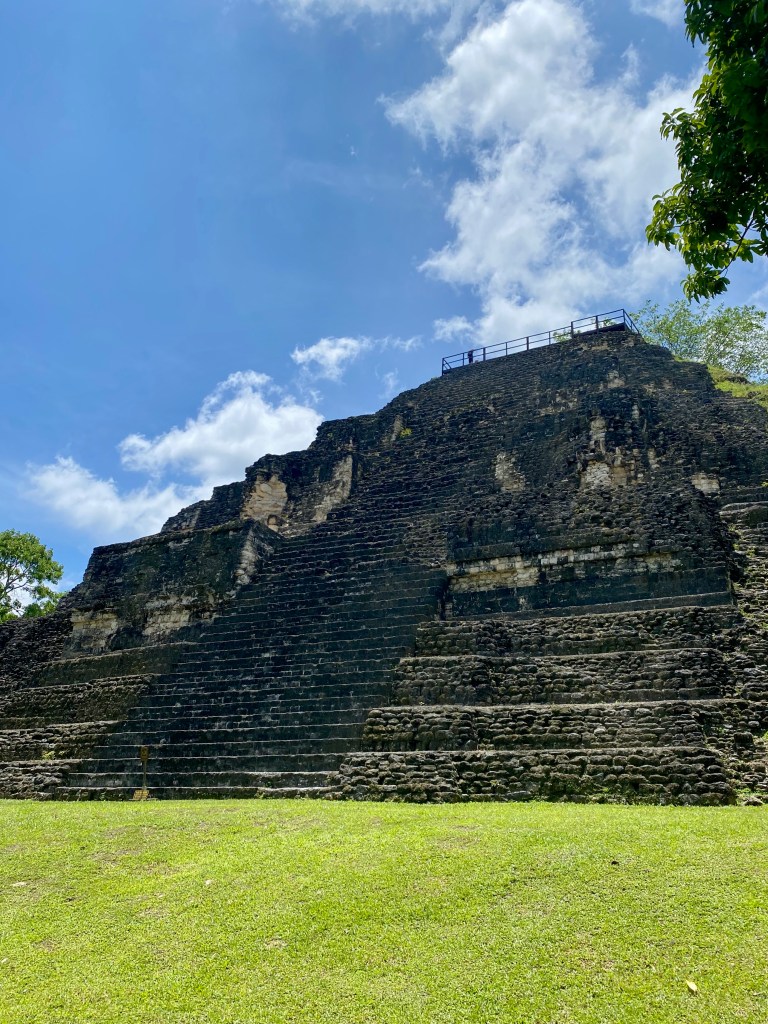

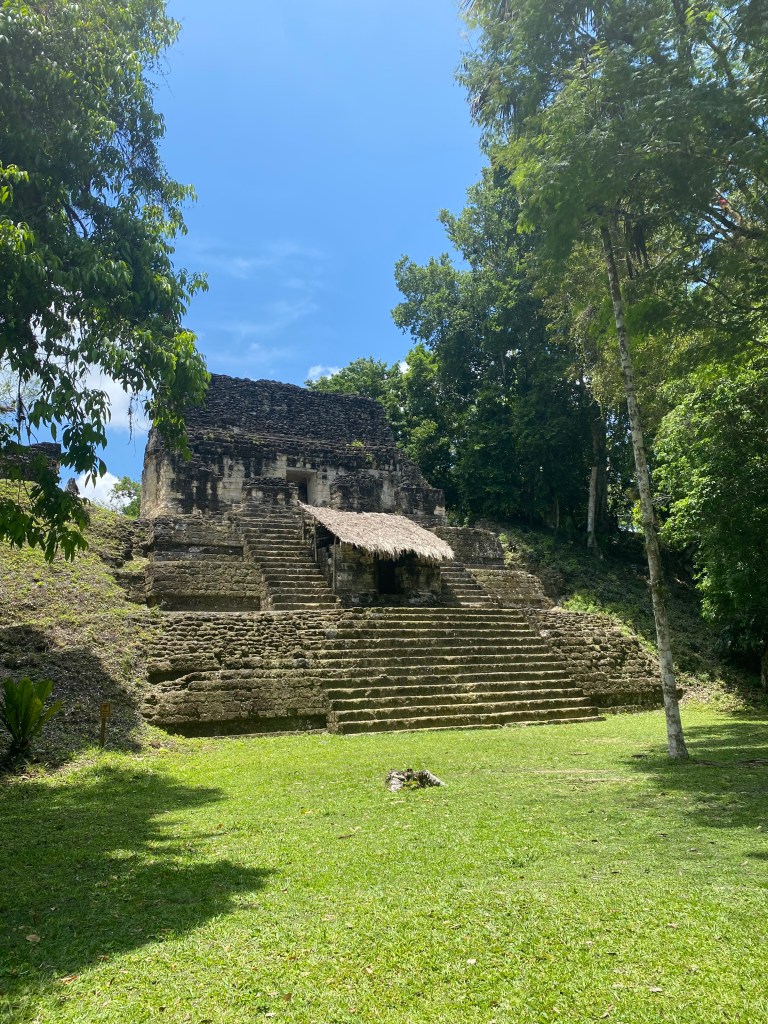
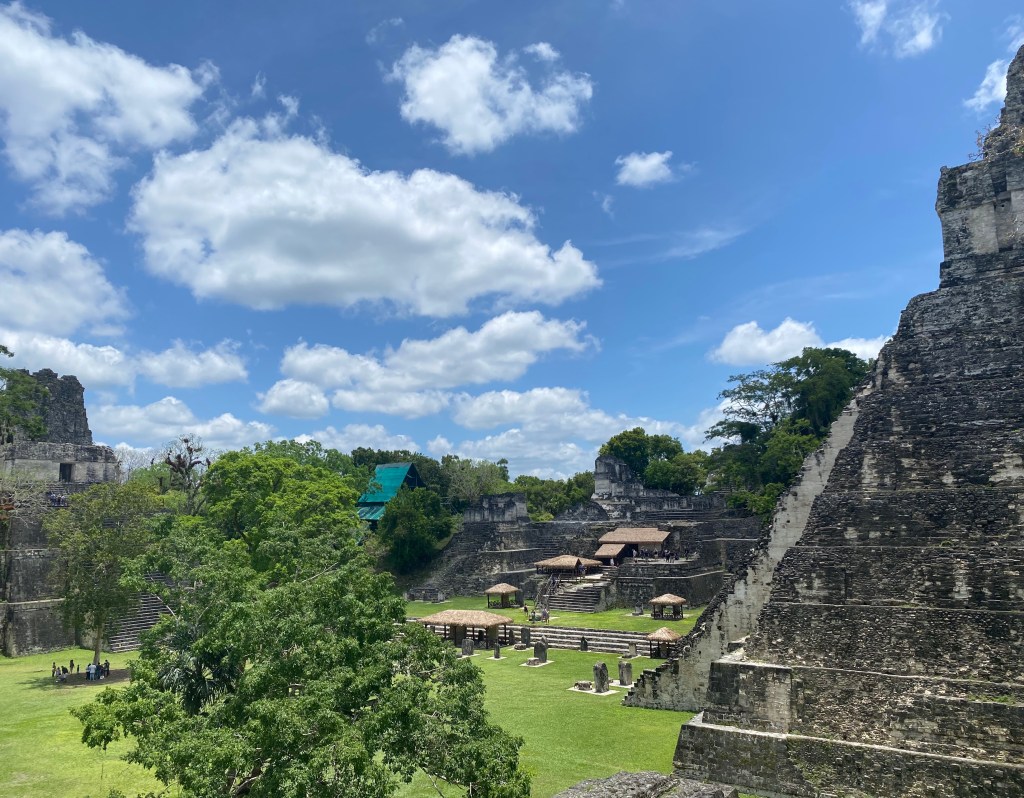

Our first stop was to Tikal National Park. Nestled in the jungle, Tikal is a UNESCO World Heritage site and said to be the largest and oldest former Mayan city. We walked around the park from morning well into the afternoon and had only scratched the surface… literally, there are two more temples underneath what you can see today. Our guide, Miguel, (who was literally the Guatemalan answer to David Attenborough), knew everything there was to know about Tikal and the history of the Mayan’s who lived there some 2,000 years ago.
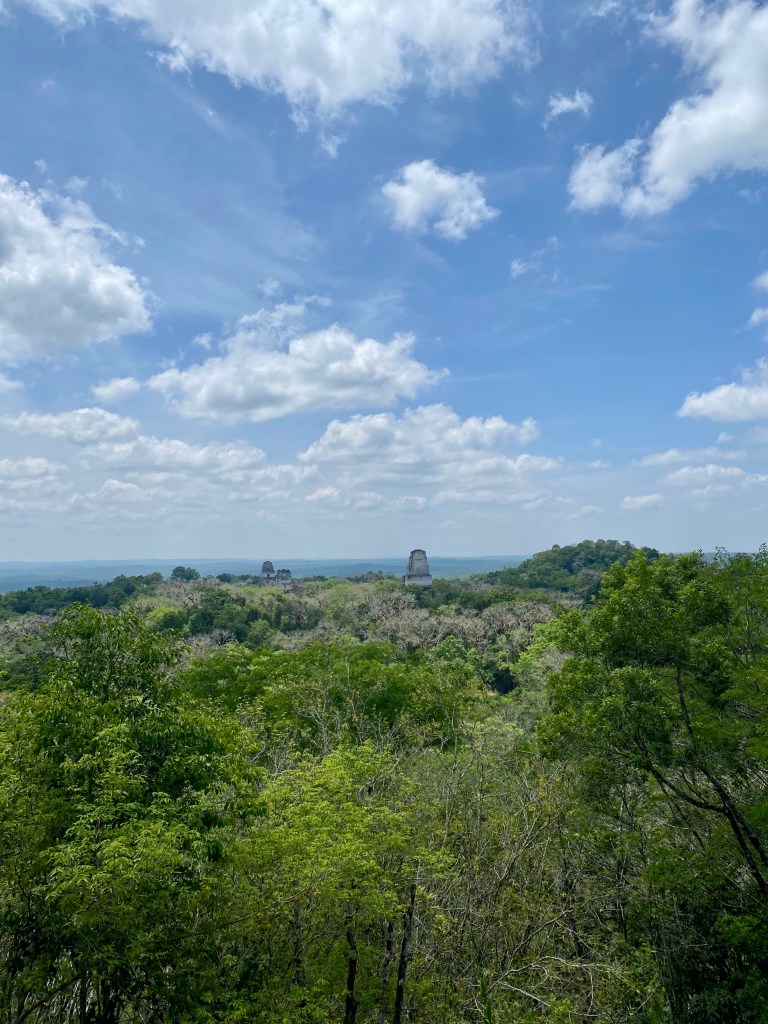
Tikal is formed of hundreds, (if not thousands), of impossibly tall stone Mayan temples. Rising high above the trees, these temples were used by priests for offerings, sacrifices, tombs and to track the sun and other planets. This allowed them to calculate a complex but pretty accurate solar calendar.
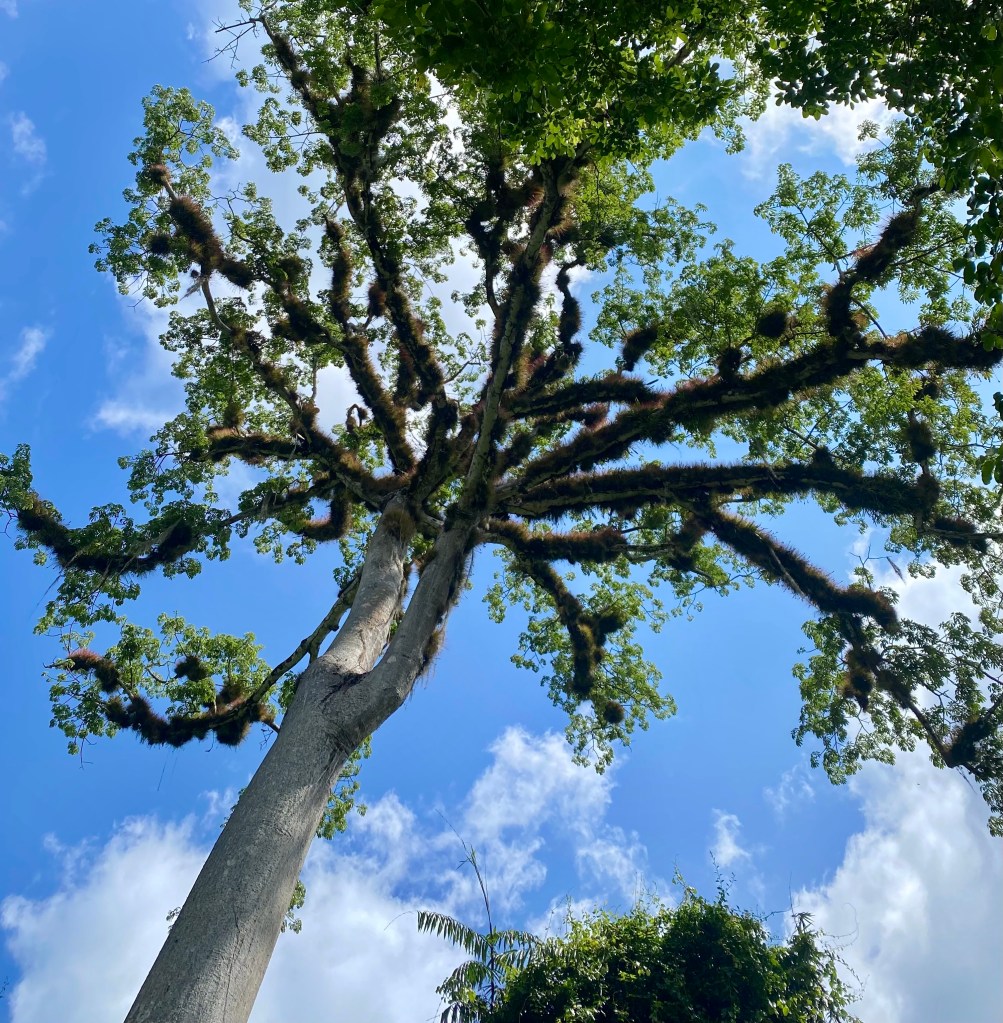
Miguel pointed out the various ceiba trees which can be found throughout the park as they represent the universe in Mayan culture. Known as the ‘Tree of Life’ the ceiba tree illustrates heaven, earth, the underworld and how us humans move between these three domains. As you can imagine, trees of that age are awe-inspiringly huge, (some 70+ metres tall), and are teeming with an array of creatures who call the forest home.
Tikal is really and truly a sensory journey. The word Tikal itself means ‘voices in the air’ and it really lives up to its name. You can hear howler monkeys, coatis and a million other animals that roam the jungle. You can see the remains of a once thriving civilisation with structures that seem impossible to have been built now, let alone in 900BC. You can feel a sense of admiration that these people who lived so long ago have created such a strong legacy that even in 2022, Mayan culture and tradition still lives on through the great efforts of their descendants to keep it alive. What exactly happened to the Maya is still somewhat a mystery, but archaeologists reckon Tikal was abandoned by 900AD.
By the time we left Tikal, everyone was straight-up knackered. After a quick pit stop at a restaurant and a dip in Lake Petén Itzá, we arrived in Flores…
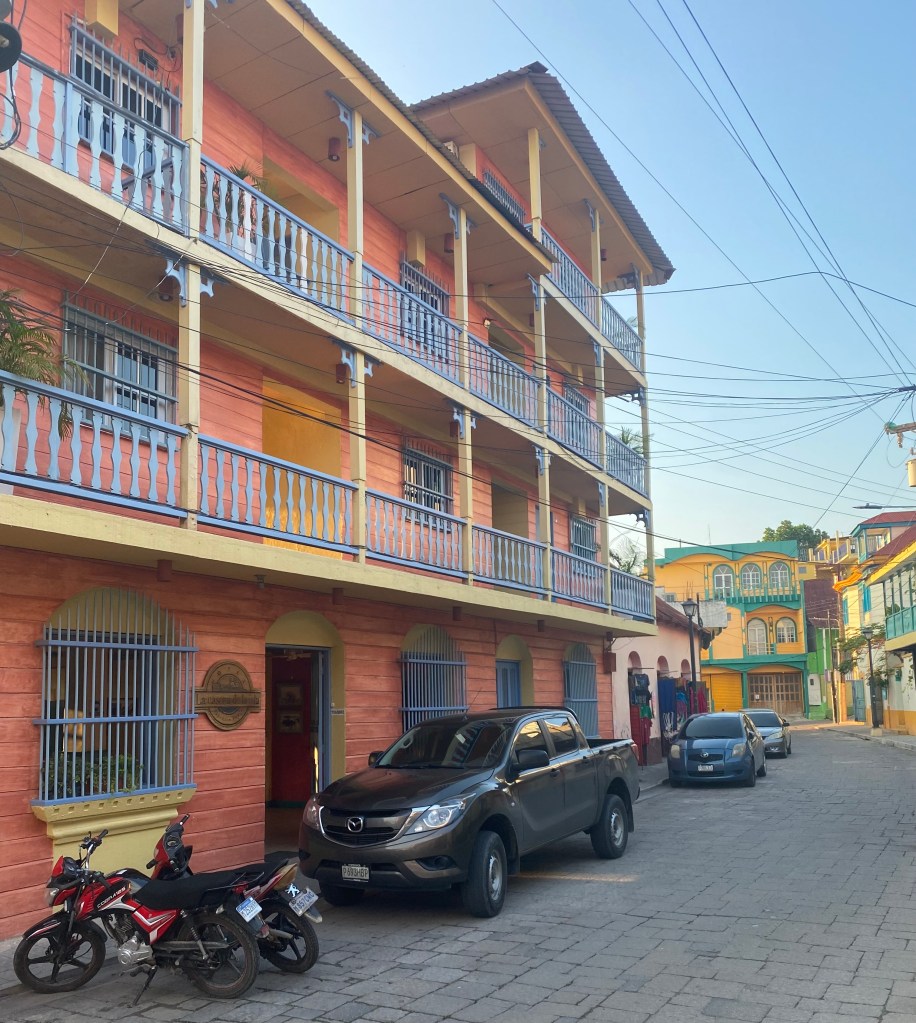
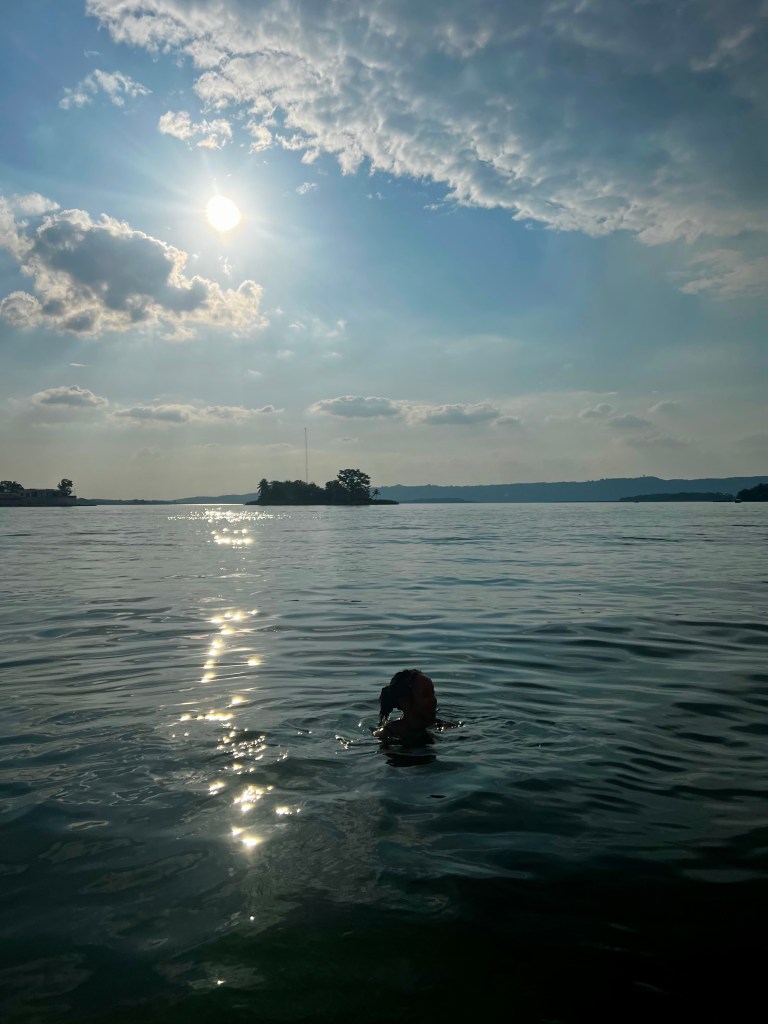
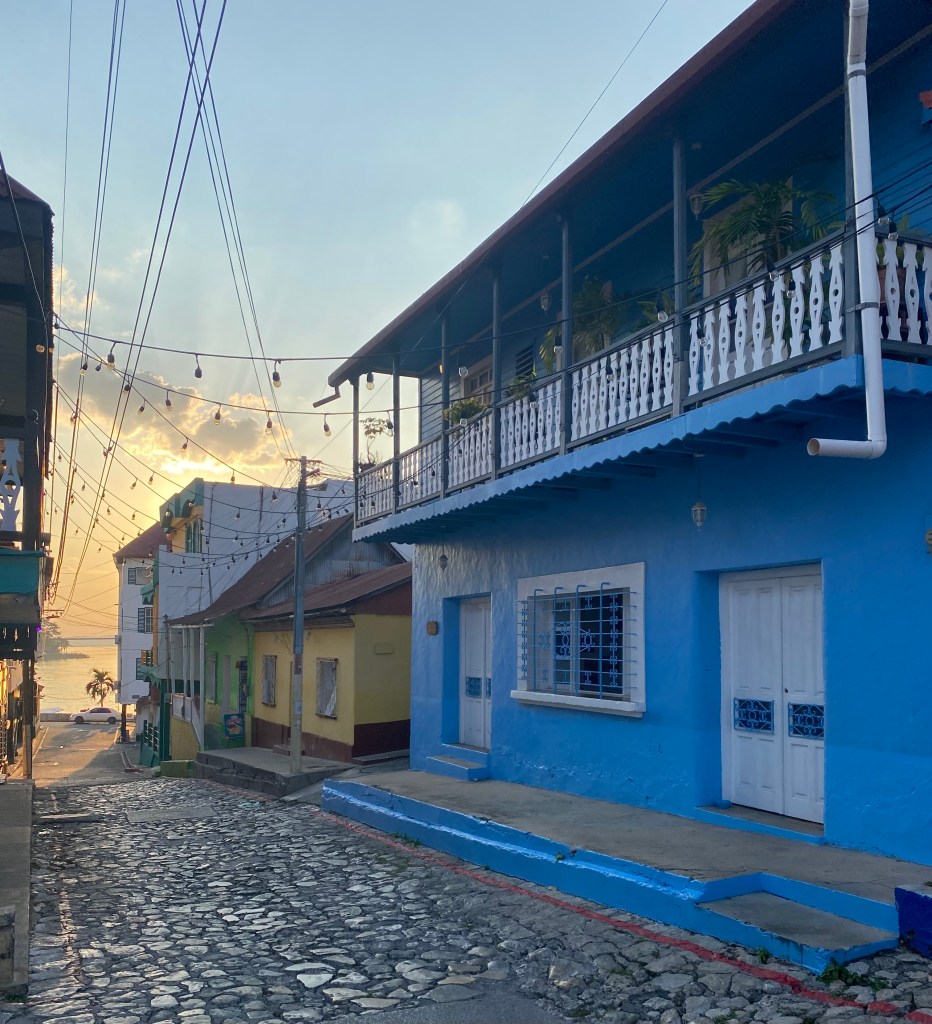
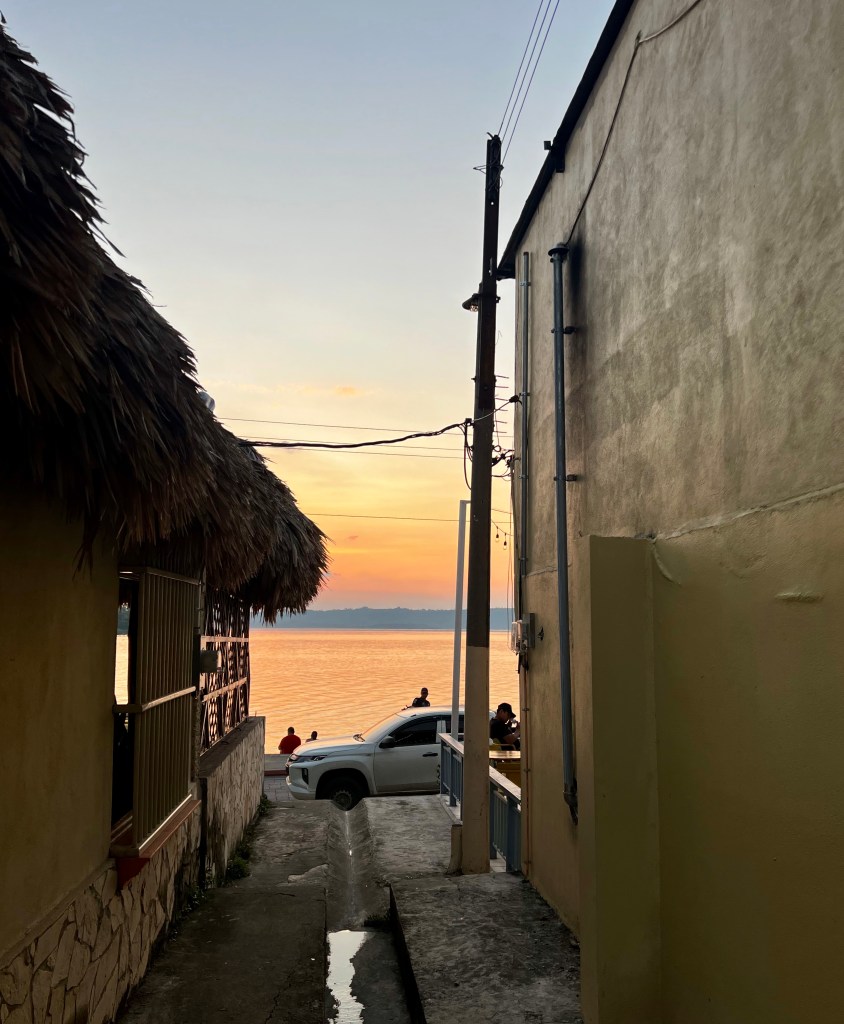
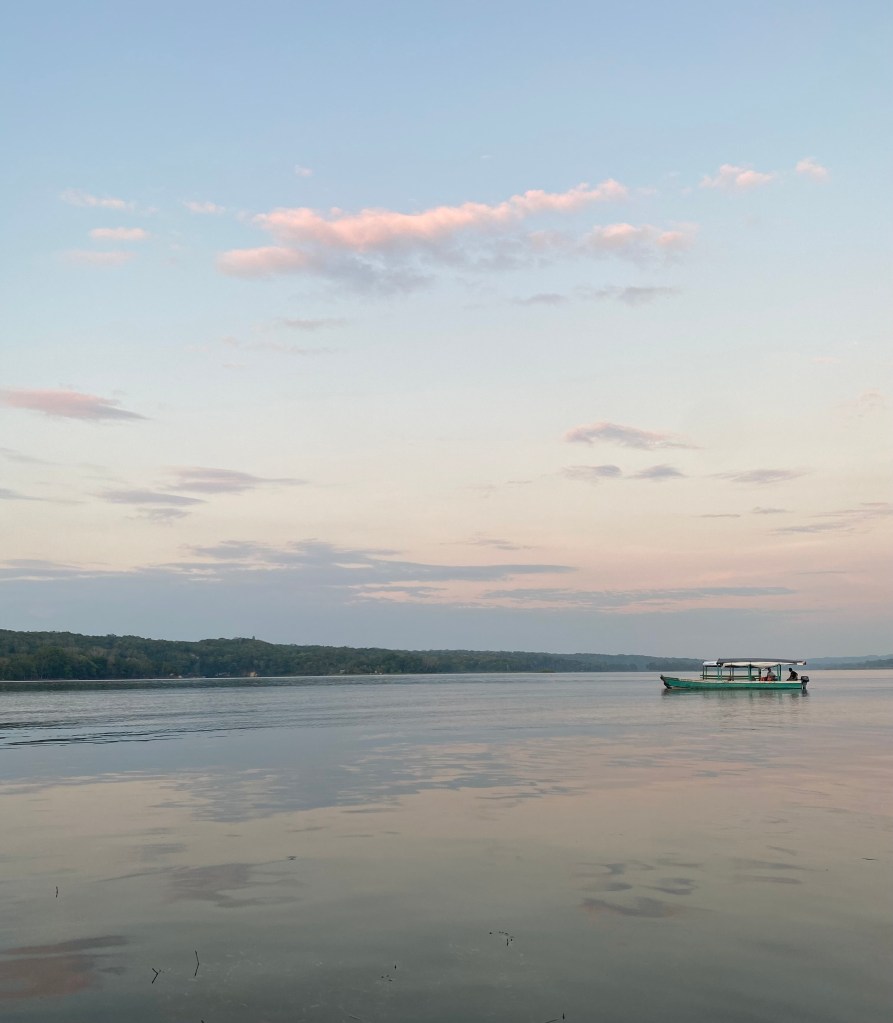
Flores is actually an island on the lake but is connected to mainland Guatemala by road. Our hostel was directly opposite a jetty onto the lake, so perfect for an afternoon dipping in the lake and chilling on the jetty. I took myself off on a little wander as we were only in Flores for one night and I wanted to see as much as possible. Flores is gorgeous and I really wish we could have been there longer. The buildings are painted in colourful pastels, on cobbled streets. The little side roads all seemed to look out onto the lake with not a single tourist in sight. I ended up on the other side of the island, reading my book and watching the boats sail by, just soaking up the peace and tranquility of the lake.
We wanted to make the most of our one and only night in Flores, so we got dressed up and headed out to Los Amigos hostel. It has a bar/club in the back with okay music and dangerously cheap trays of tequila shots. After a wiggle, we decided to go for a midnight swim in the, (what we found out later to be), crocodile inhabited lake. Eventually, we made the sensible decision to go to bed as we had a early start in the morning to travel to Río Dulce.
 Dear Disha