After realising I forgot my Kindle at the hostel and freaking out, I had a night bus to São Paulo, (which left so late I could have had my Kindle Uber flashed to me). After a quick stop for lunch with friends in São Paulo, (Vita Natural absolutely slaps: all vegan, all you can eat, all for R$38), a flight I nearly missed because of São Paulo traffic, I reached Salvador.



My taxi driver was lovely and spoke Spanish. It was so nice to be able to properly speak to a local about the area. I feel like the language barrier, (and I know the lack of Portuguese is on me), means that I’m not connecting with Brazil as deeply as I could be because I can’t chat to locals.
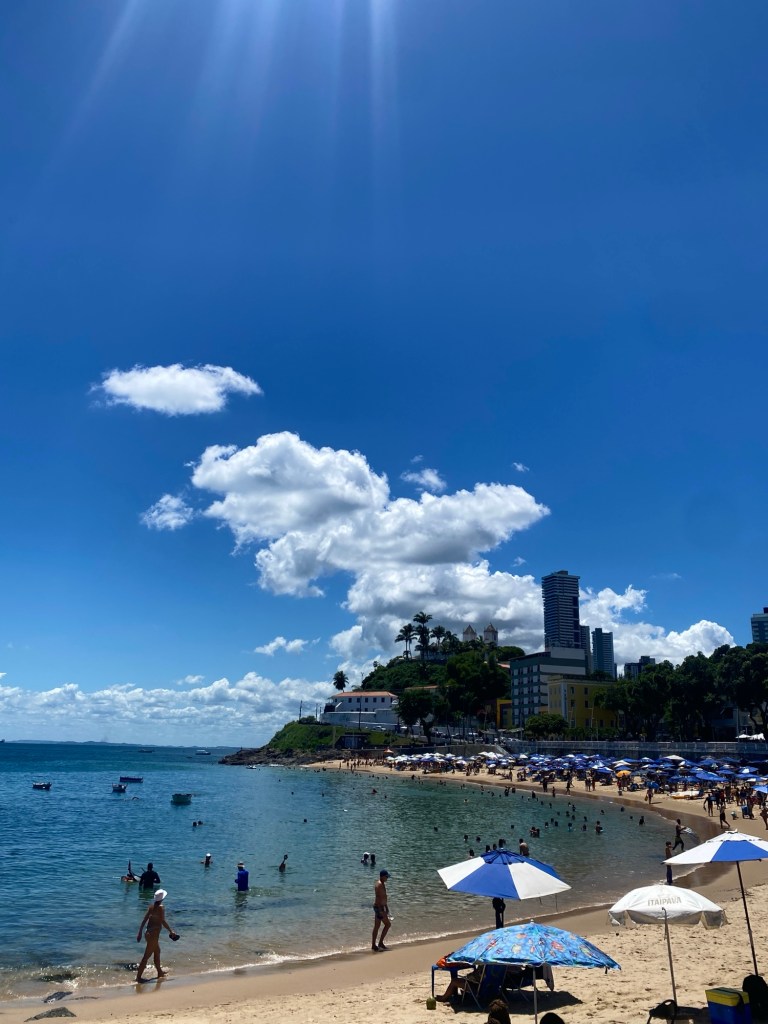
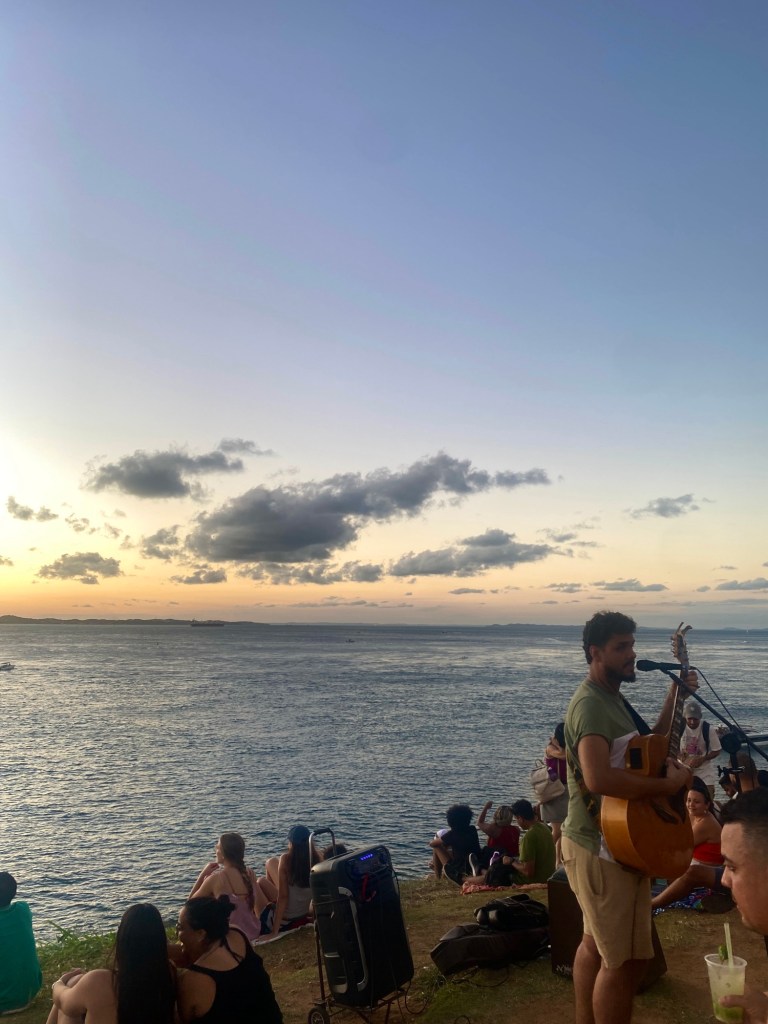
Anyways, on my first day, I met up with a girl I had met in São Paulo and we chilled on the beach. Praia da Barra is not a relaxing experience, but the water does gently lap on the shore and is bath water warm which is a huge contrast from the water in Rio. We watched the sunset at Farol da Barra and called it a night. I went back to Farol da Barra when I was in Salvador for the second time, (after Chapada), and witnessed a proposal… the lover girl in me jumped out and I cried.
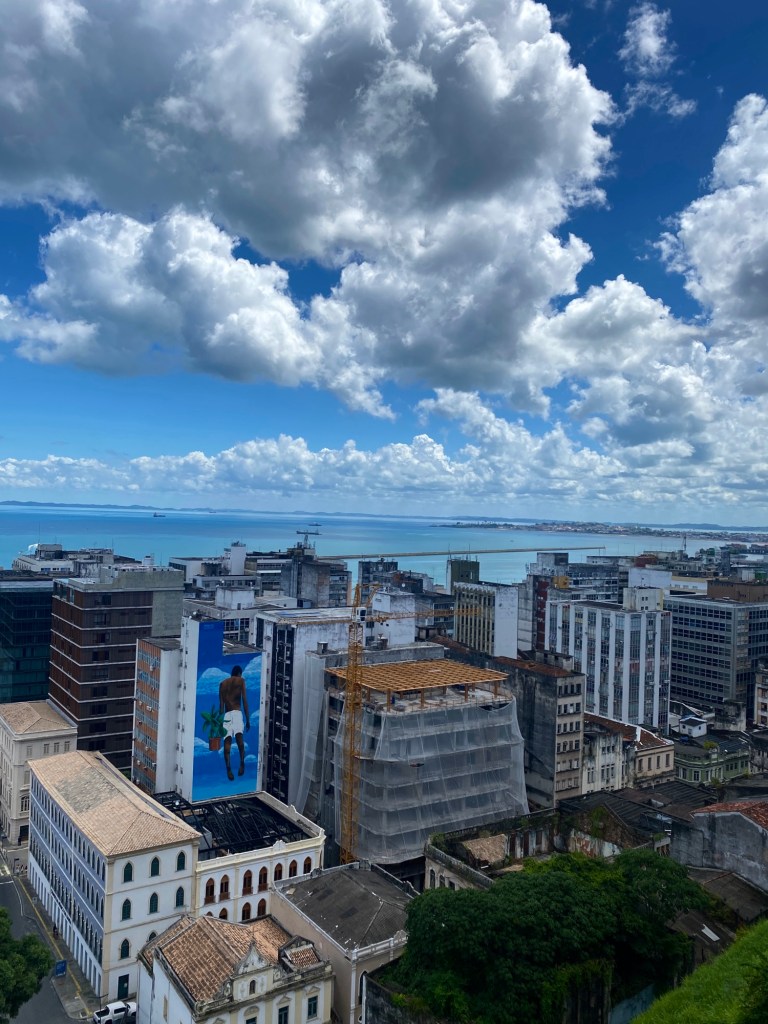
My second day, I did a walking tour of Pelourinho. Salvador has the largest population of Black people outside of Africa, with many of its residents being the descendants of enslaved Africans brought over. Salvador is the home of capoeira – a martial art that had the slave masters quaking in their murderous boots. They felt so threatened, there was talk of forbidding it. Those practicing, began doing it to drums to make it seem like a dance, in an attempt to avoid it getting banned, hence we have the ‘sexy dance fighting’ we recognise today.
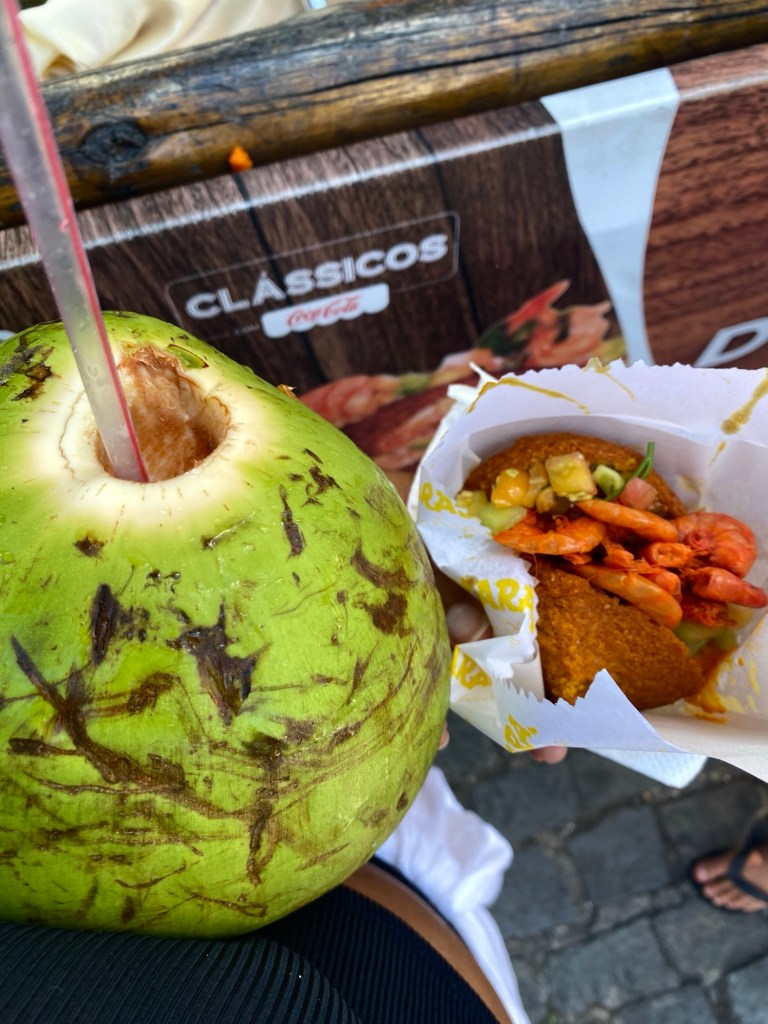
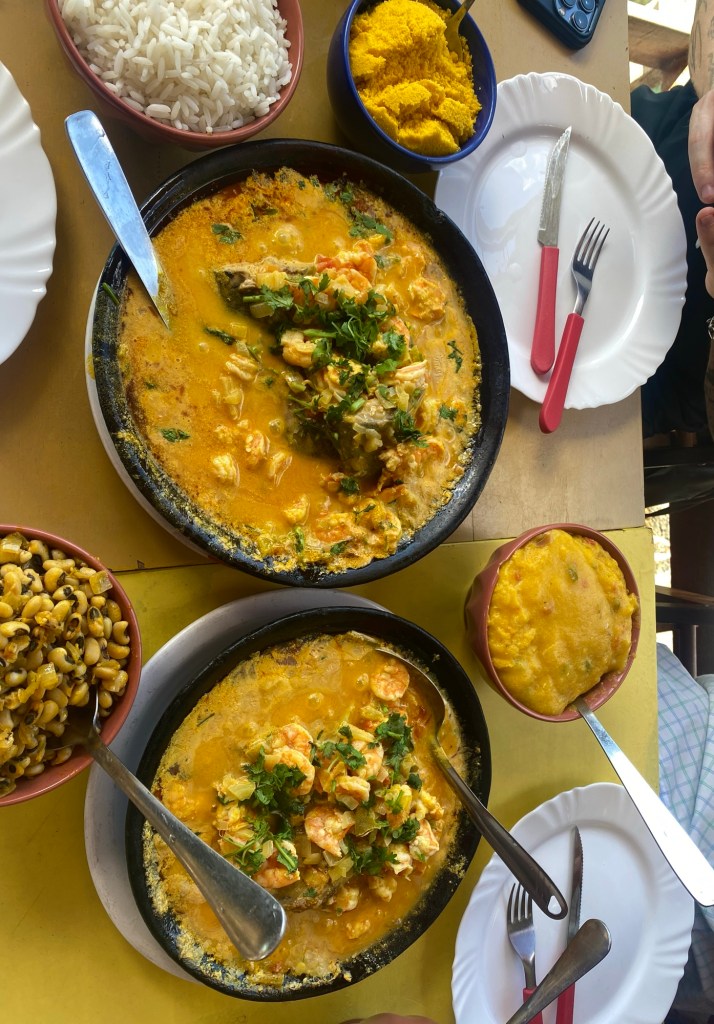
The African influence permeates through everything in Salvador: from the candomblé religion and the Orishas to acarajé, (a trad. dish made from bean paste fried in dende oil, shell on prawns put inside and topped with sauces) and moqueca, (of course, I had to try it at Dona Suzana’s Restaurant). Fun fact, the first medical school is in Salvador and medical degrees are free in Brazil!
I visited the museums, which were a fun way to kill time and the majority are free on Wednesdays. My absolute favourite thing I did in Salvador though, was a night at the Balé Folclórico da Bahia.
As someone with an almost identical history to those in Salvador, this show was so powerful to me. The performance is a great symbol, and straight up embodiment, of just how the people of Salvador have been able to preserve so much of their original identity. When you deep it, this would have necessitated an unfathomable level of resistance and resilience. I also felt a hint of sadness for what has been lost. I was sitting there in awe of the Salvadorian people, mourning what I feel has been robbed and genuinely simply appreciating the show. The singing, the music, the dancing, the energy, the storytelling, the emotion – 11/10, no notes, absolutely sensational.
Salvador is an amazing place. People love to chat about how ‘dAnGeRouS’ it is but I truly believe that, (as long as luck is on your side as this is a factor), if you stay vigilant and don’t do stupid shit, you will likely be fine: this city is too great to miss.
If there are any TV/film producers reading this, (or anyone other than my Mum reading this actually), please stop with the remakes. What the world needs is a movie about Tia Ciata, a movie on Zumbi and a series on the main Orishas in Candomblé.
 Dear Disha